George William Rakestraw: The One with the Confusing Timeline (52 Ancestors #13)

George William Rakestraw was the brother of my great great grandmother, Zerilda Rakestraw Springer.  Unlike his sister, he is very well documented.  Even so, I’ve had a difficult time researching him.  He had an uncle who was also named George William, so he went by William or Willie, but he also had a son named William, who seemed to go by Willie as a child.  Willie also had a son, Charles Marion and a cousin, Charles Marion.  I understand wanting to honor family members, but at some point, it’s just too much.  After hours upon hours of searching, deciphering, and some math, I have Willie mostly figured out.

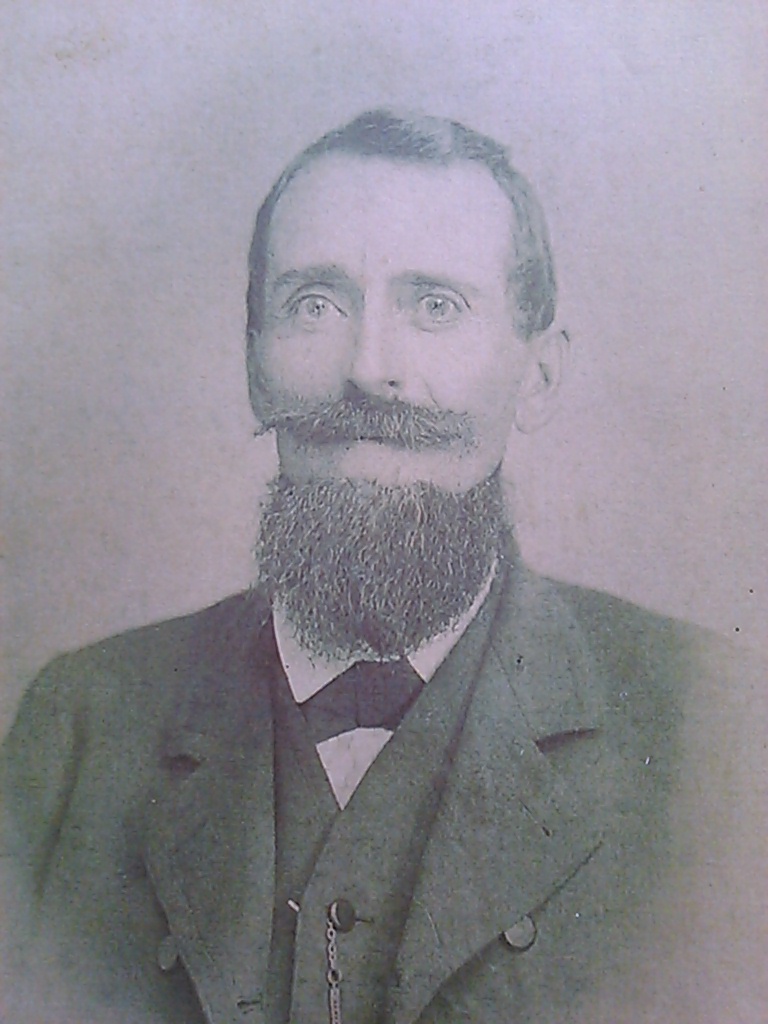
George William Rakestraw, circa 1900.

George William Rakestraw, circa 1900.

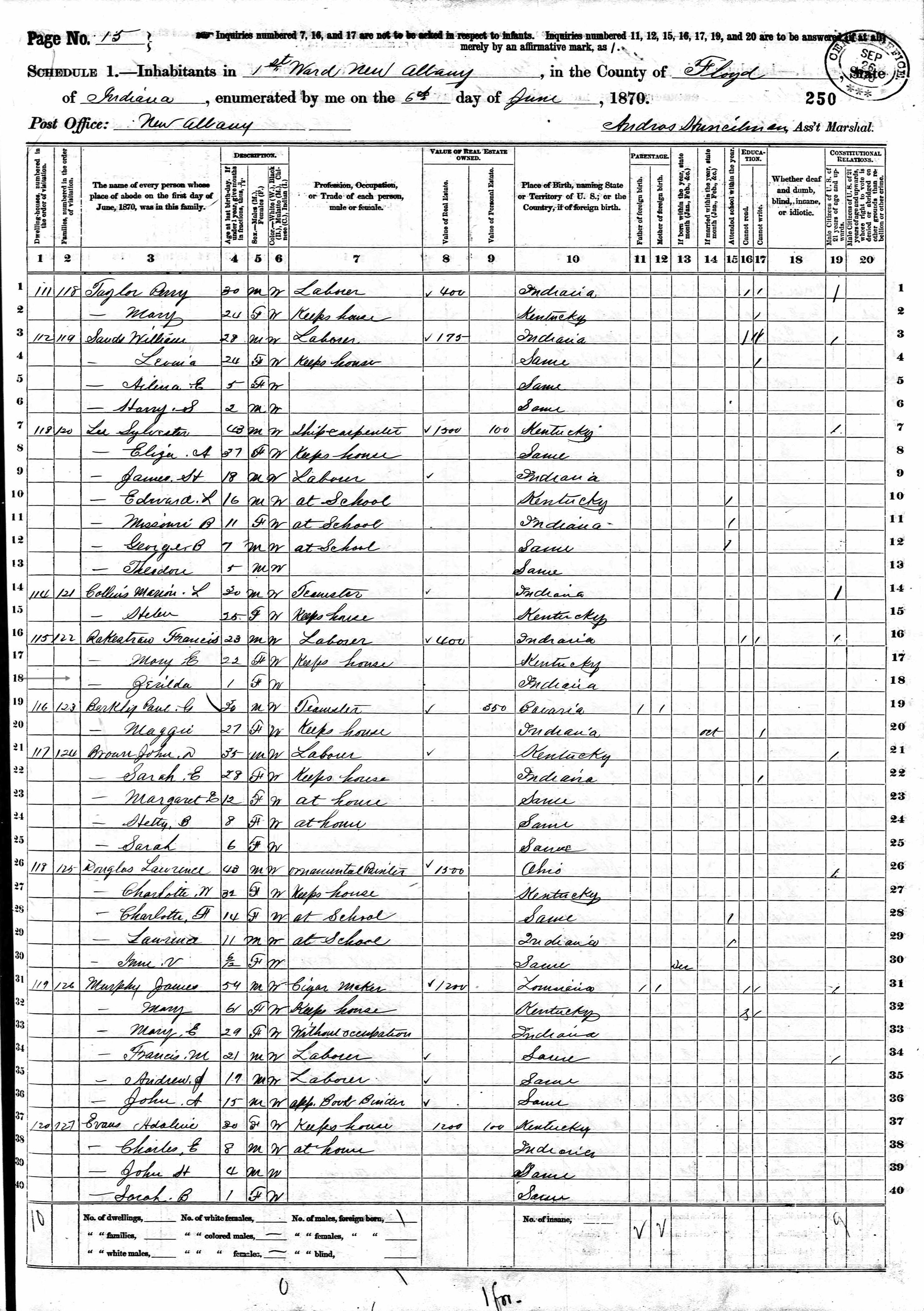
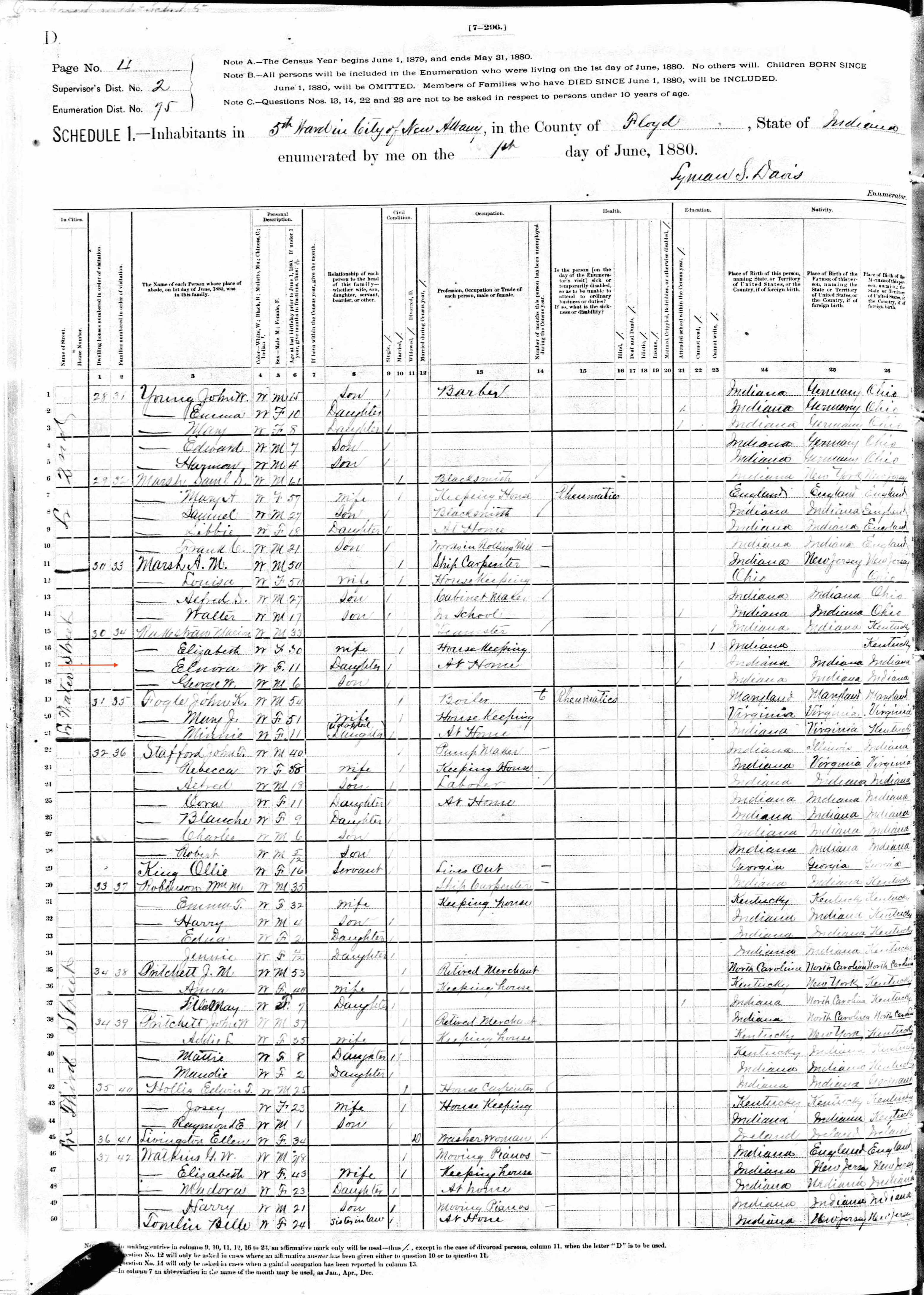
George William “Willie” Rakestraw was born on August 20, 1873 in New Albany, Indiana, to parents Francis Marion and Mary Elizabeth (Gilliland) Rakestraw.  He had dark hair and blue eyes.  He was the baby of the family, as his sister was five years older.

An article appeared in the New Albany Evening Tribune, saying that Willie had married a Mamie Haine on February 2, 1891.
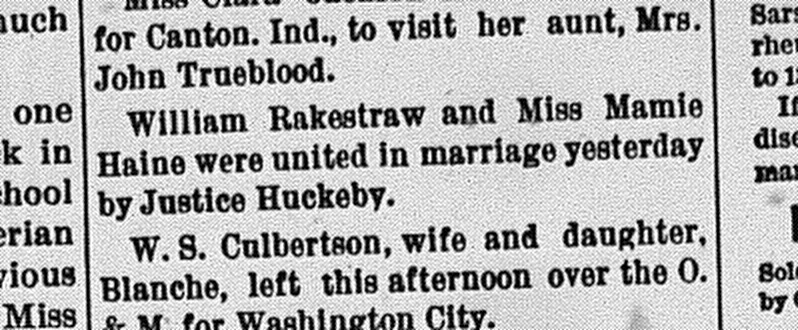
New Albany Evening Tribune, Tuesday, 3 February 1891, p. 4, column 3, Stuart Barth Wrege Indiana History Room

New Albany Evening Tribune, Tuesday, 3 February 1891, p. 4, column 3, Stuart Barth Wrege Indiana History Room

I could not find a marriage record for them in Floyd county, surrounding counties, or Illinois, where I though Mamie might be from.  Willie would’ve been seventeen at the time, so he also would’ve needed parental permission to marry.

I did find that Willie married Mamie Haney in Floyd County, Indiana on October 9, 1891.  It also appeared in the paper the following day.
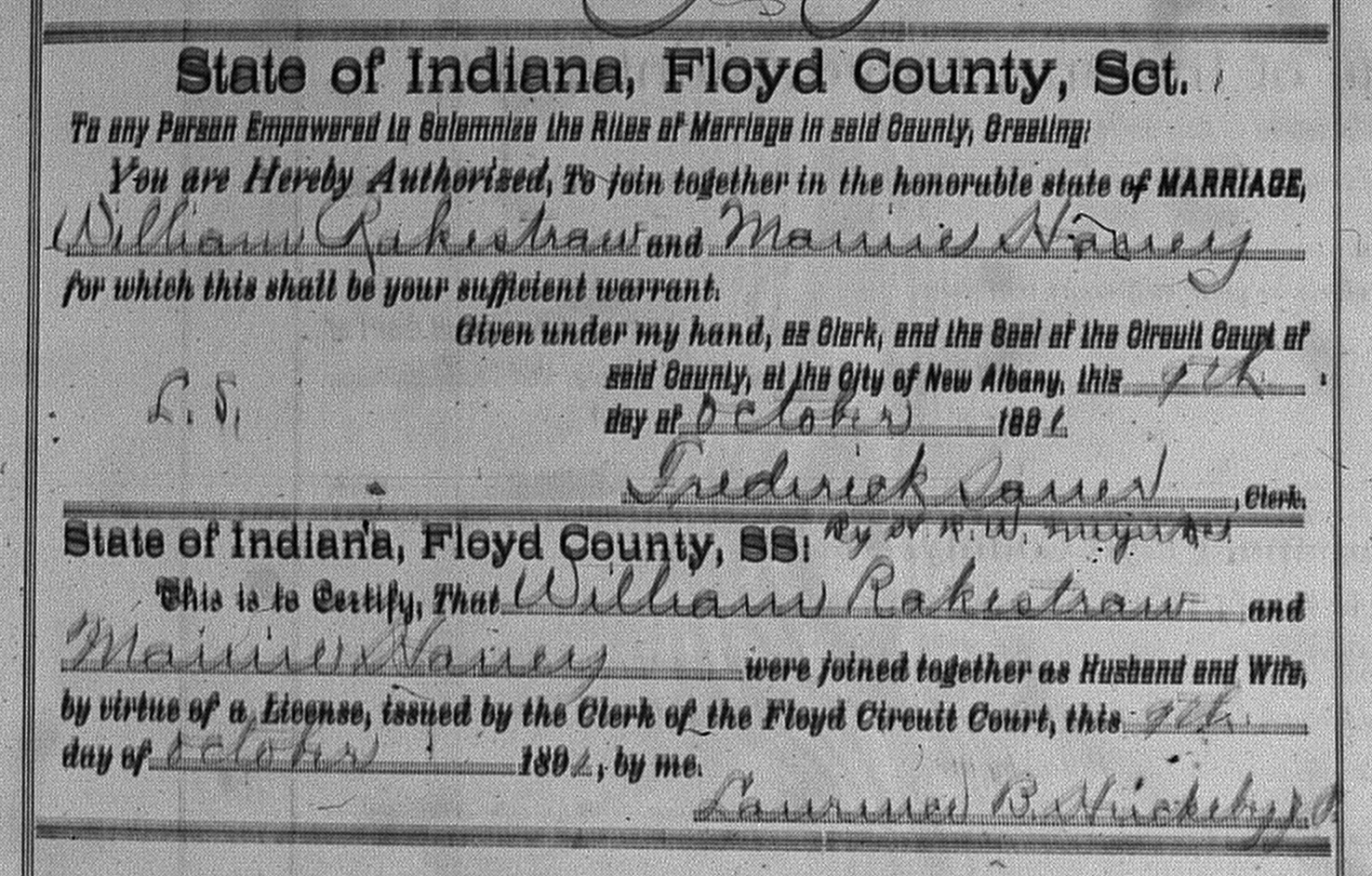
Floyd County, Indiana Marriages, Vol. 10, p. 55, Stuart Barth Wrege Indiana History Room
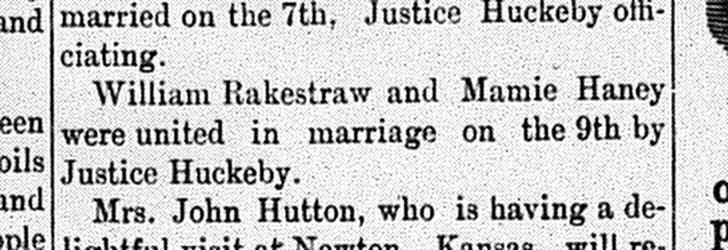
Floyd County, Indiana Marriages, Vol. 10, p. 55, Stuart Barth Wrege Indiana History Room

New Albany Daily Ledger, Saturday, 10 October 1891, p. 4, column 3, Stuart Barth Wrege Indiana History Room

New Albany Daily Ledger, Saturday, 10 October 1891, p. 4, column 3, Stuart Barth Wrege Indiana History Room

It seems their honeymoon period was short-lived because the paper on October 24, 1891 reports that Mamie had filed suit against Willie for support.

New Albany Daily Ledger, Saturday, 24 October 1891, p. 8, columns 2-3, Stuart Barth Wrege Indiana History Room

New Albany Daily Ledger, Saturday, 24 October 1891, p. 8, columns 2-3, Stuart Barth Wrege Indiana History Room

I couldn’t find what became of that suit, but I believe that Mamie went to Illinois without Willie and was pregnant at the time.  I’ve looked at several family trees that say Mamie gave birth to Otto William Rakestraw in Mound City, Illinois on December 25, 1891.  I have a copy of a photo of Otto Rakestraw that I got from my grandfather, but I have no proof of his relationship.  I’ve sent letters out to try and obtain a copy of a birth record and I hope to hear from someone soon.  Willie is listed as being in New Albany in both the 1890 and 1892 Caron’s City Directories, which is how I know he didn’t go with Mamie.

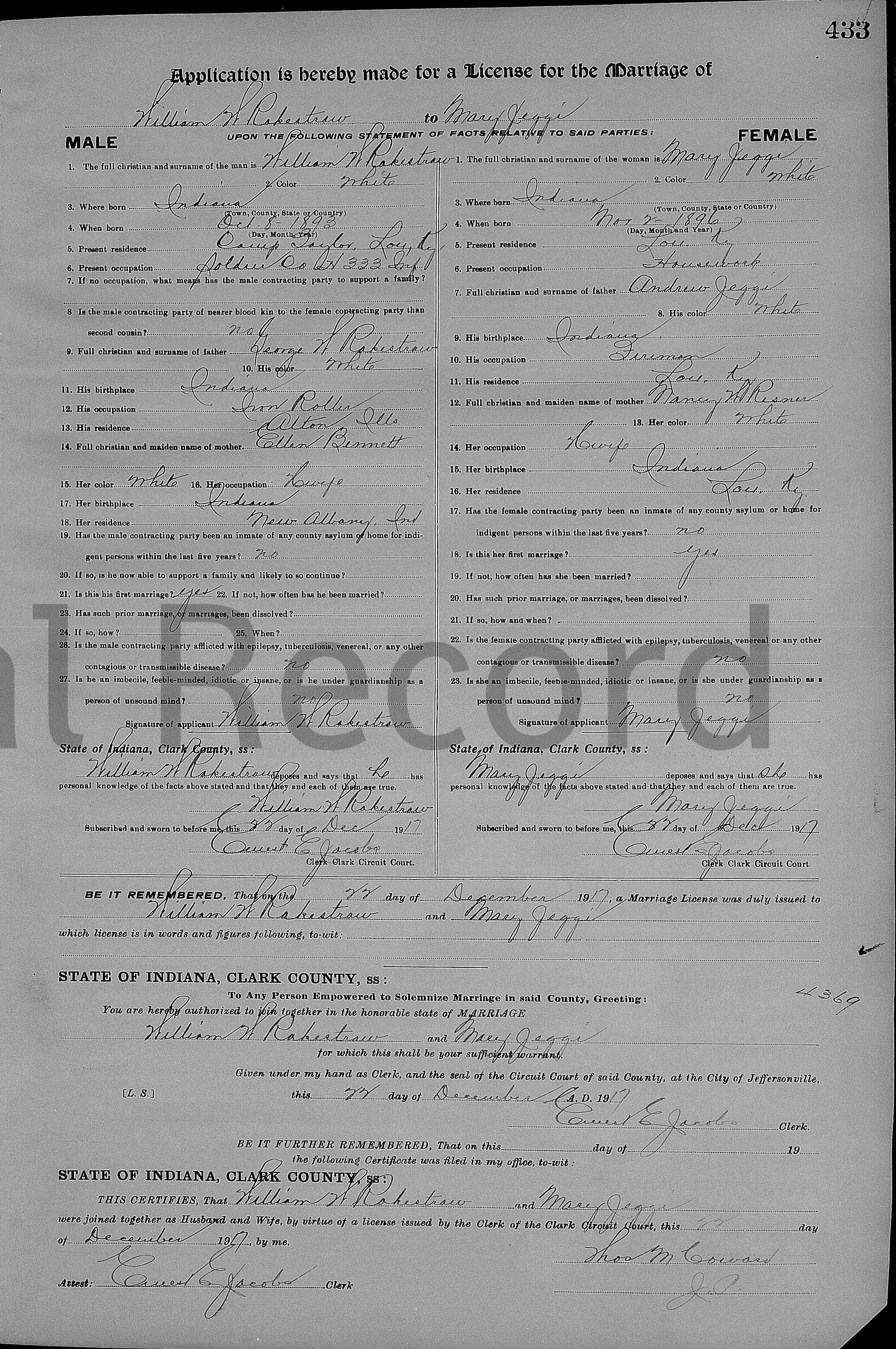
Here is where the timeline gets messy.  That’s right, it wasn’t messy before.  On October 8, 1893, William W. Rakestraw was born, the son of Willie by Lillian Margaret Bennett.  At least, according to both of William W.’s marriage records (1917 and 1933).  The 1900 Census and the transcription of the Rakestraw Family Bible both give October 8, 1894.  I’m inclined to believe the marriage records, as Census are often wrong and I don’t have access to the original Rakestraw Family Bible to know if there were any transcription errors.  There is no birth record on file for him, and his death record gives his birth date as October 8, 1898 (I’m thinking this was written by the informant as 1893 and misread by the clerk as 1898).  I’m still holding out hope for a primary source to prove one or the other.

In those same family trees that mention Otto’s birth, it is written that Willie and Mamie were granted a divorce from Mound City on October 23, 1893.  I have inquiries out on this as well, but it seems logical to me that infidelity would cause Mamie to file for divorce.

Willie married Lillie Bennett on April 14, 1894 in Floyd County, Indiana.

Floyd County, Indiana Marriages, Vol. 10, p. 363, Stuart Barth Wrege Indiana History Room

Floyd County, Indiana Marriages, Vol. 10, p. 363, Stuart Barth Wrege Indiana History Room

There are articles (I’ll get to them in a bit) that give marriage dates of January and April 1893, but since Willie and Mamie were still married that wouldn’t be possible, or at least not legal.  I also couldn’t find any marriage records for Willie and Lillie on those dates.

Charles Marion Rakestraw was born on January 22, 1896 in New Albany, Indiana.  He is the second son of Willie and Lillie.

Things go downhill for Willie and Lillie the following year.  On April 9, 1897, Lillie filed suit against Willie for maintenance.  The suit was dismissed on June 11, 1897.
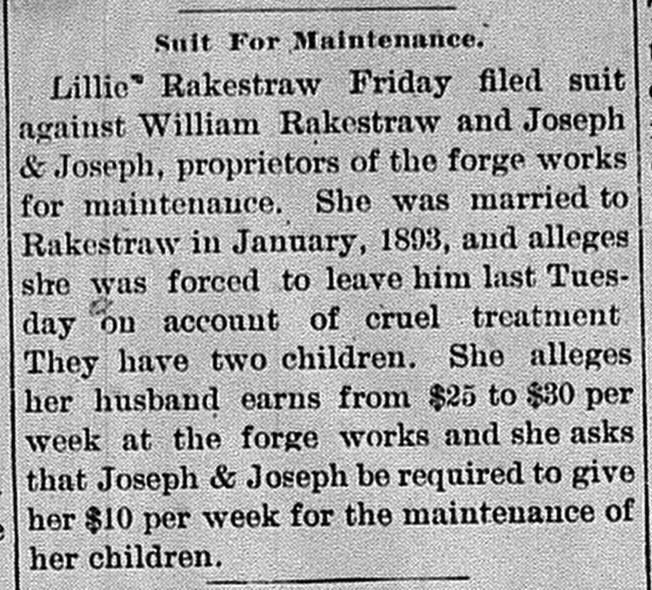
New Albany Weekly Tribune, Friday, 9 April 1897, p. 7, column 2, Stuart Barth Wrege Indiana History Room

New Albany Weekly Tribune, Friday, 9 April 1897, p. 7, column 2, Stuart Barth Wrege Indiana History Room

New Albany Weekly Tribune, Friday, 11 June 1897, p. 7, column 4, Stuart Barth Wrege Indiana History Room

New Albany Weekly Tribune, Friday, 11 June 1897, p. 7, column 4, Stuart Barth Wrege Indiana History Room

Lillie then filed for divorce on December 1, 1897.  This must have been a long process.  It was listed on the court docket on January 14, 1898 and then again on October 1, 1898 and still the divorce was not granted.

New Albany Daily Ledger, Wednesday, 1 December 1897, p. 4, column 4, Stuart Barth Wrege Indiana History Room
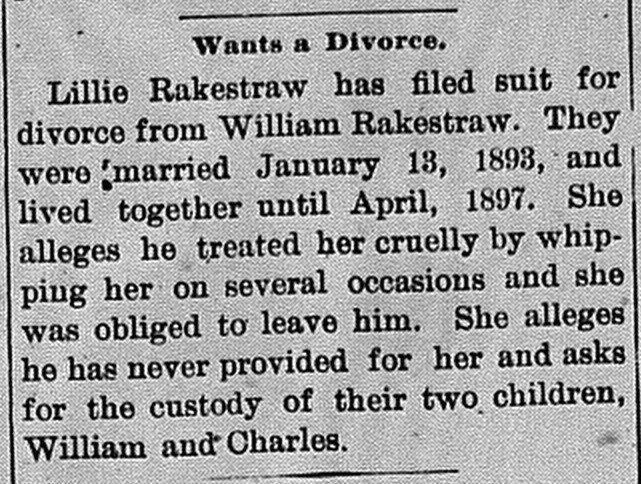
New Albany Daily Ledger, Wednesday, 1 December 1897, p. 4, column 4, Stuart Barth Wrege Indiana History Room

New Albany Weekly Tribune, Friday, 3 December 1897, p. 5, column 2, Stuart Barth Wrege Indiana History Room

New Albany Weekly Tribune, Friday, 3 December 1897, p. 5, column 2, Stuart Barth Wrege Indiana History Room

New Albany Weekly Tribune, Friday, 14 January 1898, p. 7, column 4, Stuart Barth Wrege Indiana History Room
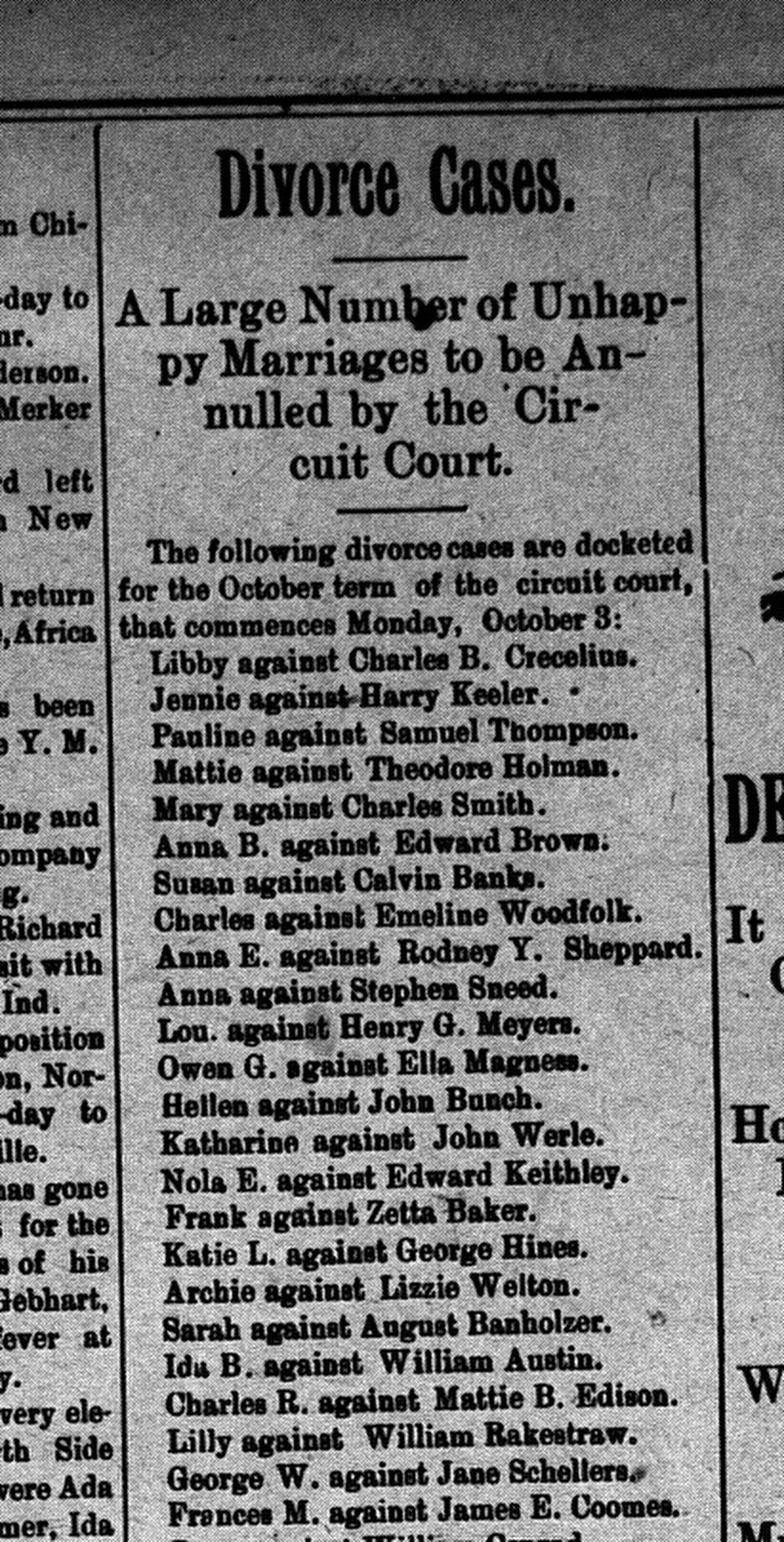
New Albany Weekly Tribune, Friday, 14 January 1898, p. 7, column 4, Stuart Barth Wrege Indiana History Room

New Albany Daily Ledger, Saturday, 1 October 1898, p. 4, column 5, Stuart Barth Wrege Indiana History Room

New Albany Daily Ledger, Saturday, 1 October 1898, p. 4, column 5, Stuart Barth Wrege Indiana History Room

On February 20, 1899, Louise Rakestraw was born.  Three weeks later, Lillie petitioned to dismiss the divorce case.

New Albany Daily Ledger, Tuesday, 14 March 1899, p. 4, column 4, Stuart Barth Wrege Indiana History Room

New Albany Daily Ledger, Tuesday, 14 March 1899, p. 4, column 4, Stuart Barth Wrege Indiana History Room

On May 24, 1899, Willie filed for divorce and it was granted by the court on June 17, 1899.  He asked for and was granted custody of William and Charles.

New Albany Daily Ledger, Wednesday, 24 May 1899, p. 4, column 2, Stuart Barth Wrege Indiana History Room
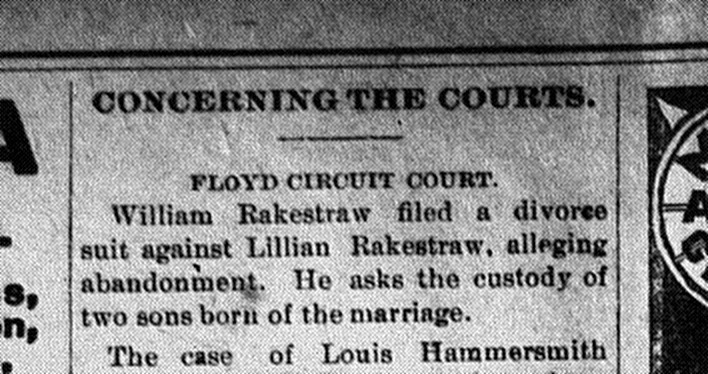
New Albany Daily Ledger, Wednesday, 24 May 1899, p. 4, column 2, Stuart Barth Wrege Indiana History Room

New Albany Public Press, Wednesday, 31 May 1899, p. 4, column 3, Stuart Barth Wrege Indiana History Room

New Albany Public Press, Wednesday, 31 May 1899, p. 4, column 3, Stuart Barth Wrege Indiana History Room

New Albany Daily Ledger, Saturday, 17 June 1899, p. 4, column 1, Stuart Barth Wrege Indiana History Room

New Albany Daily Ledger, Saturday, 17 June 1899, p. 4, column 1, Stuart Barth Wrege Indiana History Room

Lillie and baby Louise went to live with Lillie’s mother.  Willie, William, and Charles moved in with Willie’s parents and his niece, Mildred Springer.

On June 5, 1902, Willie married Lorena Bender in Louisville, Kentucky.  By 1910, Willie and Lorena were living in Madison County, Illinois, but William and Charles were still living with Willie’s parents.  Charles did spend some time in Illinois with his dad, as this letter, dated December 15th, indicates.

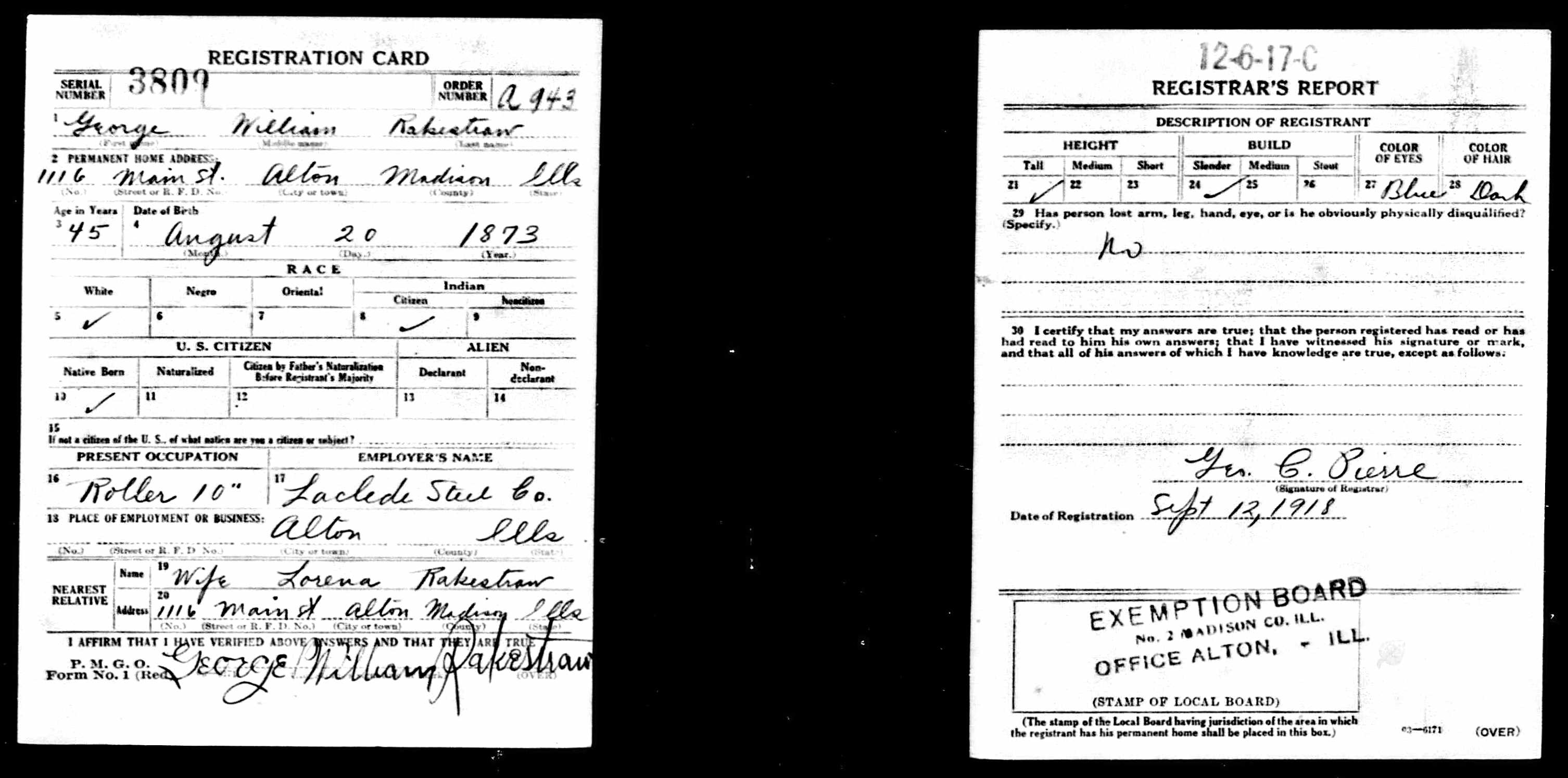
Willie and Lorena moved to Louisville at some point after 1918 (Willie’s draft registration shows he was still in Illinois).  Willie and William ran a music store in Louisville until Willie’s death in 1935.

Tombstone, Cave Hill Cemetery, Louisville, Jefferson, Kentucky, George William Rakestraw, 1874-1935, photo courtesy of Rob M, Findagrave.com

Tombstone, Cave Hill Cemetery, Louisville, Jefferson, Kentucky, George William Rakestraw, 1874-1935, photo courtesy of Rob M, Findagrave.com

I still have to wonder about Otto and Louise.  Why did Willie not seek custody for either of them?  Why didn’t he even acknowledge them?  With all of my grandfather’s stories that had been passed down through the Rakestraw family, I had never heard of either one until I started researching Willie.  William’s obituary said that he was survived by a sister, Louise, so I suppose he must have had some contact with her.  I guess these are questions to which I may never know the answers.

Louise Von Allmen: Jovial and Social (52 Ancestors #12)

Louise Marie Von Allmen was born on August 5, 1903 to parents Edward and Louise (Seewer) Von Allmen.  Louise was the first of eight children.  She married George Herman Schroeder, who was from Ohio.  They had three children.  Louise (Von Allmen) Schroeder died on June 26, 1977.

The Von Allmen children. Back row (left to right):  Frederick, Theodore Adrian, John Edward, Louise Marie. Front row:  Victor Emmanuel, Robert Alfred, Margaret Elizabeth, Lena Mae.  Photo courtesy of Angela Grant, Ancestry.com

The Von Allmen children.
Back row (left to right): Frederick, Theodore Adrian, John Edward, Louise Marie.
Front row: Victor Emmanuel, Robert Alfred, Margaret Elizabeth, Lena Mae.
Photo courtesy of Angela Grant, Ancestry.com

I never knew my great grandmother Louise.  She died before I was born.  I had seen photos and my grandpa said she liked to talk.  That was really all I knew about her.  I was named for her and my other great grandmother, Marie Neider, so any time I have the opportunity to learn more about her, I’m more than happy to do so.

From the handful of  photos I have seen of Louise to this point, I feel that I resemble her somewhat, especially when I put my hair up when I dress as Mrs. Butterfield (our library’s first librarian).

In July of 2011, I was visiting with a new friend, Viola Toby.  She lives on a farm neighboring Louise’s parents’ farm.  I didn’t know until that day that she had known the Von Allmens.  That day in July, Viola complimented me on the dark color of my hair.  I thanked her and said it must be the Swiss, from the Von Allmens.  It prompted this:

The Von Allmens… they used to live right here on the corner, you know.  They were such wonderful singers. They used to have parties on the 4th of July and they’d go all night. They really knew how to celebrate, I tell you. They’d sing and dance and Ed would play the… what’s that called you play and squeeze between your hands… the accordion. Ed used to play the accordion. He played so well, it was really beautiful. And they’d just go all night. One time, they had all the neighbors over for a dance. Can you imagine? They had a dance in their house and Ed played the accordion. You don’t see anyone play the accordion anymore.

She went on to talk about Lena Mae, whom she knew best of the bunch.  I was very excited to hear this from Viola because it’s one thing to hear from the family stories that have been passed down, but it’s another thing to hear how your family was perceived by members of their community.

As I was preparing to write about Louise, I talked with my dad.  He said he and his family used to visit with George and Louise every Sunday after church at their house on Renn Road.  Louise always had soda and candy for the kids.  He said that Louise was a very social, very jovial person.  She liked parties and dancing, she liked food and conversation.  Dad also said that she liked to debate.

Hearing this description, my first thought was that she and my other namesake probably would’ve gotten along well had they ever met.  My second thought was that I’m more like Louise than I originally thought.  I don’t really care for dancing, but I’d say I have a fair amount of the rest of it.

Louise Marie Von Allmen

Louise Marie Von Allmen (1919)

Doppelganger

I was killing time on Facebook one day, just clicking on links to 22 weirdest things kids ever said, etc., when I came across a post on old black and white photos that had been colorized.  As I looked through them, I came across this one.

The staff of Andrew Porter with George A. Custer reclining next to a dog, 1862.

The staff of Andrew Porter with George A. Custer reclining next to a dog, 1862.

The man lying down on the far left of the photo looks remarkably like my great great great grandfather, John Alexander Springer.

John Alexander Springer, photo courtesy of Susan Huber, Findagrave.com

John Alexander Springer, photo courtesy of Susan Huber, Findagrave.com

Side by side comparison.

Side by side comparison.

John (1836-1919) was certainly an adult when the colorized photo had been taken, though the man in that photo looks a little older than John would’ve been.  But, it wouldn’t have been outside of the realm of possibility, or it could have been his brother or father.  I had to know who these men were.  The photo wasn’t labeled and was credited simply as Reddit.

After some digging, I found it on Reddit and it was labeled “The staff of Andrew Porter with George A. Custer reclining next to a dog, 1862.”  I also found that the black and white original of the colorized version had been taken from the Library of Congress.  The Library of Congress photo was labeled “The Peninsula, Va. The staff of Gen. Fitz-John Porter; Lts. William G. Jones and George A. Custer reclining.”  So, the man in the photo is Lt. William G. Jones, who is no relation that I know of.  But this was fun, and at least I know.

Side note:  This is why it’s important to always credit your source.

Zerilda Rakestraw: Almost a Ghost (52 Ancestors #11)

If I had only official documents to go on, I’d know next to nothing about my great great grandmother.  Using the usual vitals, census, and obituary, her life could be summed up as follows.  Zerilda Eleanora Rakestraw was born circa 1869, the daughter of Francis Marion and Mary Elizabeth (Gilliland) Rakestraw.  She married Frank Springer on February 28, 1892.  She gave birth to Mildred Gertrude Springer on November 20, 1892.  She died of consumption on June 13, 1894 and was buried at Fairview Cemetery.

The biggest hurdles I had in my research were the lack of official documents.  The state of Indiana didn’t require birth records until 1882.  There was no birth record.  The 1890 Census would’ve been the first census to list her occupation.  There is no surviving copy of the 1890 Census for Indiana.  For reasons I can’t fathom, her death was never reported to the city or the county Health Department.  No death record.  Another hurdle was that Zerilda changed her name, and not legally.

Fortunately, I had some good information from my grandfather, who had heard it from Zerilda’s mother.  There are also a handful of more unconventional records for her.  Additionally, the Rakestraws saved a lot of things, for which I am eternally grateful.  And now, I present the life of Zerilda Rakestraw, as complete as I believe it will ever be.

1868

Serralda Ella Nora Rakestraw was born on  June 5, 1868 in New Albany, Indiana to parents Francis Marion and Mary Elizabeth (Gilliland) Rakestraw.  (This is according to a transcription of the Rakestraw Family Bible.  I don’t know where the Bible is currently located.  I have been spelling it Zerilda Eleanora based on the official documents that bear her name.  I’ve been thinking about whether or not I should change how I write it).

1870

She appears on the Census, with her parents, as Zerilda, age 1.

1880

On the Census, she is living with her parents and her younger brother.  She is listed as Elnora, age 11.

1890 (ish)

Here, I have no documentation.  My grandfather said that she taught school in Louisville for a year or so before she married.  I could not find any mention of her in New Albany or Louisville City Directories.  He also said that she hated her first name and, as an adult, decided to go by Ella Nora Rakestraw.  This may have started before adulthood, since she seems to have gone by her middle name(s) on the 1880 Census.  I have a couple of photos to share here.

Zerilda Eleanora Rakestraw (ca. 1890)

Zerilda Eleanora Rakestraw (ca. 1890)

Grandpa said this is the photo she had taken for the school.  Presumably for a yearbook or similar type of thing.

Zerilda Rakestraw's desk bell.  Purchased circa 1890.

Zerilda Rakestraw’s desk bell. Purchased circa 1890.

1891

By December of 1891, Ella had met Frank Springer.  It would seem that they were long-distance courting by this letter from Frank, dated December 17, 1891.

1892

Frank and Ella were married on February 28, 1892.

Frank Springer and Ella Rakestraw Marriage License

Frank Springer and Ella Rakestraw Marriage License

Floyd County, Indiana Marriages, Volume 10, p.114, Stuart Barth Wrege Indiana History Room

Floyd County, Indiana Marriages, Volume 10, p.114, Stuart Barth Wrege Indiana History Room

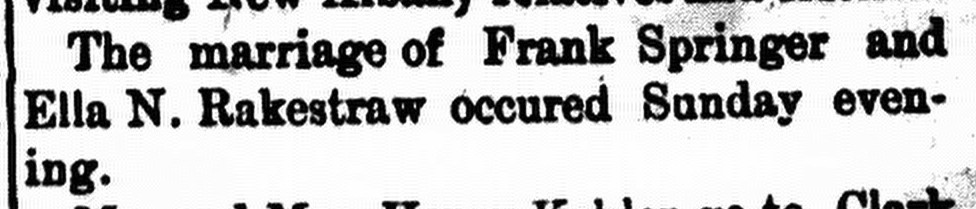
New Albany Daily Ledger, 29 February 1892, p.4, column 6, Stuart Barth Wrege Indiana History Room

New Albany Daily Ledger, Monday, 29 February 1892, p.4, column 6, Stuart Barth Wrege Indiana History Room

Within a week, Frank and Ella had moved to his brother’s farm, outside of Paoli, Indiana.

Paoli Republican, Wednesday, 9 March 1892, p.3, column 5, NewspaperArchive.com

Paoli Republican, Wednesday, 9 March 1892, p.3, column 5, NewspaperArchive.com

Ella’s mother, Mary, wrote to her on March 23, 1892.  After receiving this letter, Ella wrote back, saying that she was very sick.  She had weak spells and was often sick to her stomach.

In April, Ella received a letter from her cousin Othela, congratulating her on her marriage to Frank and expressing concern for her illness.

Sometime in May, Ella had gone back to New Albany to stay with her parents, probably having realized that she was pregnant and would need her mother’s help.  Frank wrote to her shortly after her arrival.

It seems that Frank visited from time to time, but didn’t stay long.  From a letter written circa June 1892 and a letter dated July 3, 1892, it is evident that Ella’s mother did not want Frank around.

On November 20, 1892, Ella gave birth to a daughter, Mildred Gertrude Springer.  Frank was present for the birth of his daughter, as this letter dated November 27, 1892, suggests.

In December, both Ella and baby Mildred were sick.

Zerilda Springer, circa 1892.

Zerilda Springer, circa 1892.

Unfortunately, I’ve only been able to find this photocopy and not the original.  Since the quality is so bad, I cannot tell if this is just Ella, or if Mildred is perhaps in a bassinet to the left.

1893

In a letter dated January 22, 1893, Frank writes that he is sorry to hear that Ella and the baby are both still sick.  He also writes that he will come for them when the weather is better.

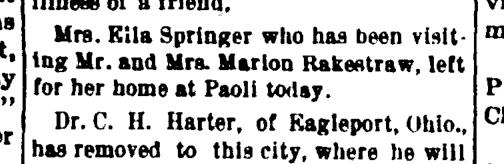
New Albany Evening Tribune, Thursday, 23 March 1893, p.4, column 2, NewspaperArchive.com

New Albany Evening Tribune, Thursday, 23 March 1893, p.4, column 2, NewspaperArchive.com

Here the letters have stopped and it would seem that Ella was home with Frank from here on, however, she must have gone back to stay with her parents before the end of May in 1894.  And, in researching Frank’s story, I learned that he did leave home sometime in 1893 for the World’s Fair in Chicago, so it makes sense that Ella would not stay alone on the farm with the baby.

1894

New Albany Evening Tribune, Friday, 25 May 1894, p.3, column 2, NewspaperArchive.com

New Albany Evening Tribune, Friday, 25 May 1894, p.3, column 2, NewspaperArchive.com

New Albany Daily Ledger, Friday, 26 May 1894, p.5, column 3, Stuart Barth Wrege Indiana History Room

New Albany Daily Ledger, Friday, 26 May 1894, p.5, column 3, Stuart Barth Wrege Indiana History Room

This one should read “adoption of Mildred G. Springer,” but as we all know, the papers sometimes get things wrong.

On June 13, 1894, just two and a half weeks after her parents adopted Mildred, Ella died of consumption.  She was buried at Fairview Cemetery in New Albany, Indiana.

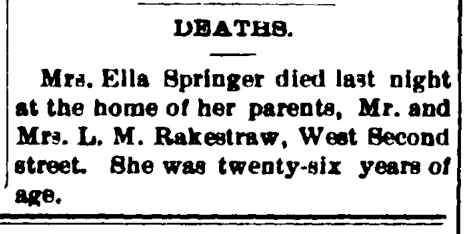
New Albany Evening Tribune, Thursday, 14 June 1894, p.4, column 2, Stuart Barth Wrege Indiana History Room

New Albany Evening Tribune, Thursday, 14 June 1894, p.4, column 2, Stuart Barth Wrege Indiana History Room

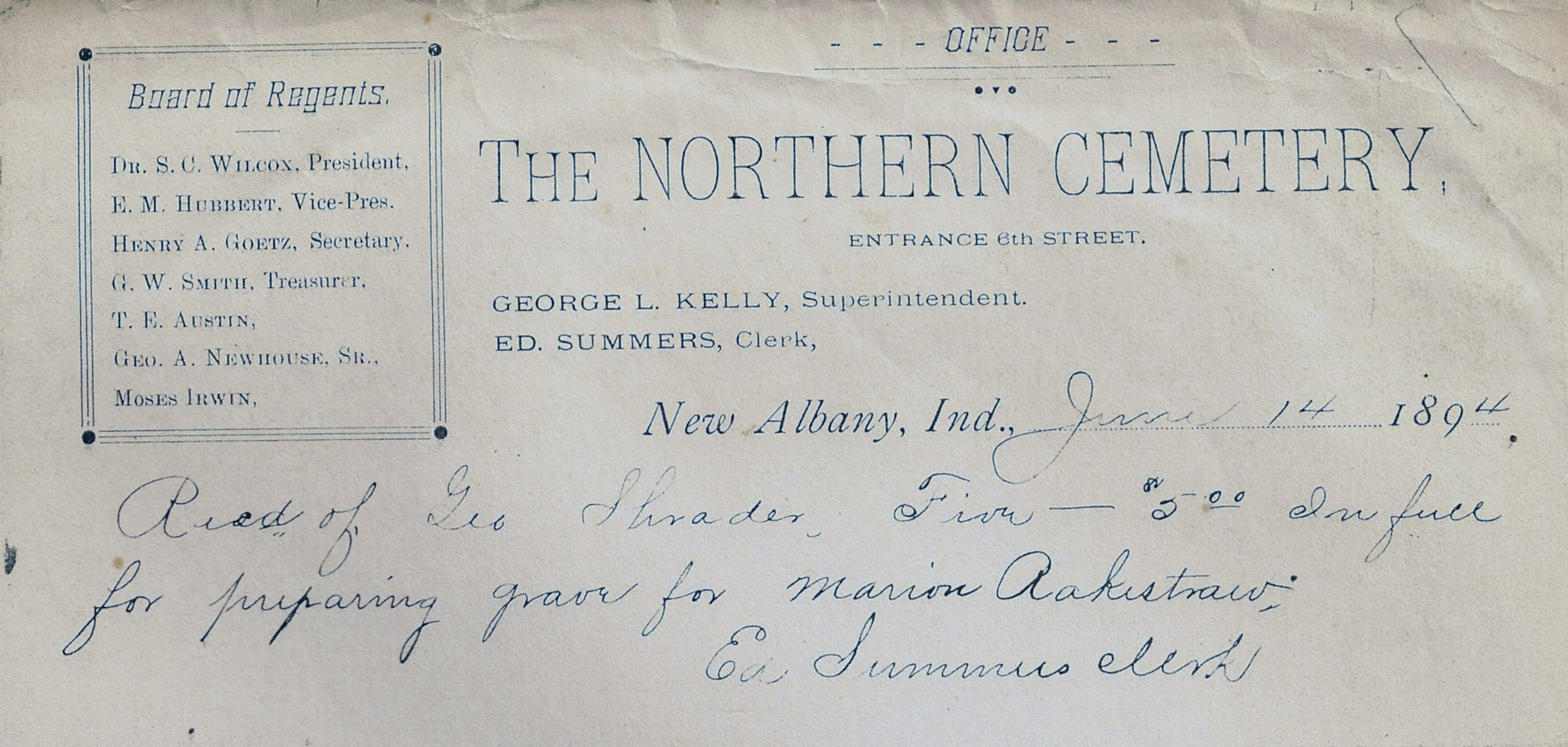
Receipt from The Northern Cemetery (Fairview Cemetery) for payment on grave preparations.

Receipt from The Northern Cemetery (Fairview Cemetery) for payment on grave preparations.

Fairview Cemetery Index, Volume 4, p.71, Stuart Barth Wrege Indiana History Room

Fairview Cemetery Index, Volume 4, p.71, Stuart Barth Wrege Indiana History Room

It took me quite some time to find her in Fairview, as her tombstone reads “Ellen N. Springer” and Frank is not buried there.

Tombstone of Ella Springer, Fairview Cemetery, photo courtesy of Douser, Findagrave.com

Tombstone of Ella Springer, Fairview Cemetery, photo courtesy of Douser, Findagrave.com

So ends the short life of Zerilda Eleanora (Rakestraw) Springer.

Carl Springer: The Power of Perseverance and Prayer (52 Ancestors #10)

Carl Springer (also Karl or Charles) was born in 1658 in Stockholm Sweden to parents Christopher and Beata (Salina) Springer.1,2,3  Beata was the daughter of the court physician to King Karl X of Sweden and Christopher was a court musician and member of the treasurer’s secretariat.  Carl, therefore, had a comfortable upbringing.  He had been sent to study in Riga and was well educated.  After he turned eighteen, Carl went to London to study English and mathematics.  He stayed with Johan Leyonberg, the Swedish Ambassador.  After he had received his education, before going back home to Sweden, he was kidnapped in 1678.1,2,3,4  The story of his captivity is best told in his own words.  The following is from a letter to his mother dated June 1, 1693, from “Pennsellvania on the Delaware River.”

When I was in London, and was of a mind to journey home to Sweden… having learned the English speech and writing and reading….. I was kidnapped and against my will taken on board an English ship, carried to Virginia, and sold off like a farm animal…. and held in very slavery for five years together.

My work was unspeakable.  In the summer it was extra ordinary hot during the day, and my work was mostly in the winter, clearing land and cutting down the forest and making it ready for planting Tobacco and the Indian grain in the summer.  I had a very hard master.  But now – to God be praise, honor, and glory! – I have overcome it all.

When I had faithfully served out my time I heard, accidentally, that there were Swedes at Delaware River, in Pennsellvania…. and…. I made that difficult journey of about four hundred miles.  And when I got there I beheld the Old Swedes, and they received me very kindly.1,2

About a year and a half after his arrival, Carl married Maria Hindrichsdotter (Hendricksdotter/Hendrickson) on December 27, 1685.2,3  He bought two plantations and had crops and livestock.  Carl served his community by writing out wills, deeds and other legal documents in English.  He served his church congregation as a reader, churchwarden and record keeper.  Carl was naturalized in Philadelphia in 1701 and was appointed one of the justices of New Castle County Courts in 1703.2,3

Carl and Maria had eleven children:  Anna Elisabeth, born circa 1687; Rebecca, born circa 1689; Maria, born circa 1691; Charles, born 1693; Christopher, born 1696; John, born circa 1698; Anders, born circa 1700; Jacob, born 1703; Israel, born circa 1705; Magdalena, born circa 1707; and Joseph, born 1709.  Maria died in March of 1727 and was buried in Holy Trinity churchyard.1,2

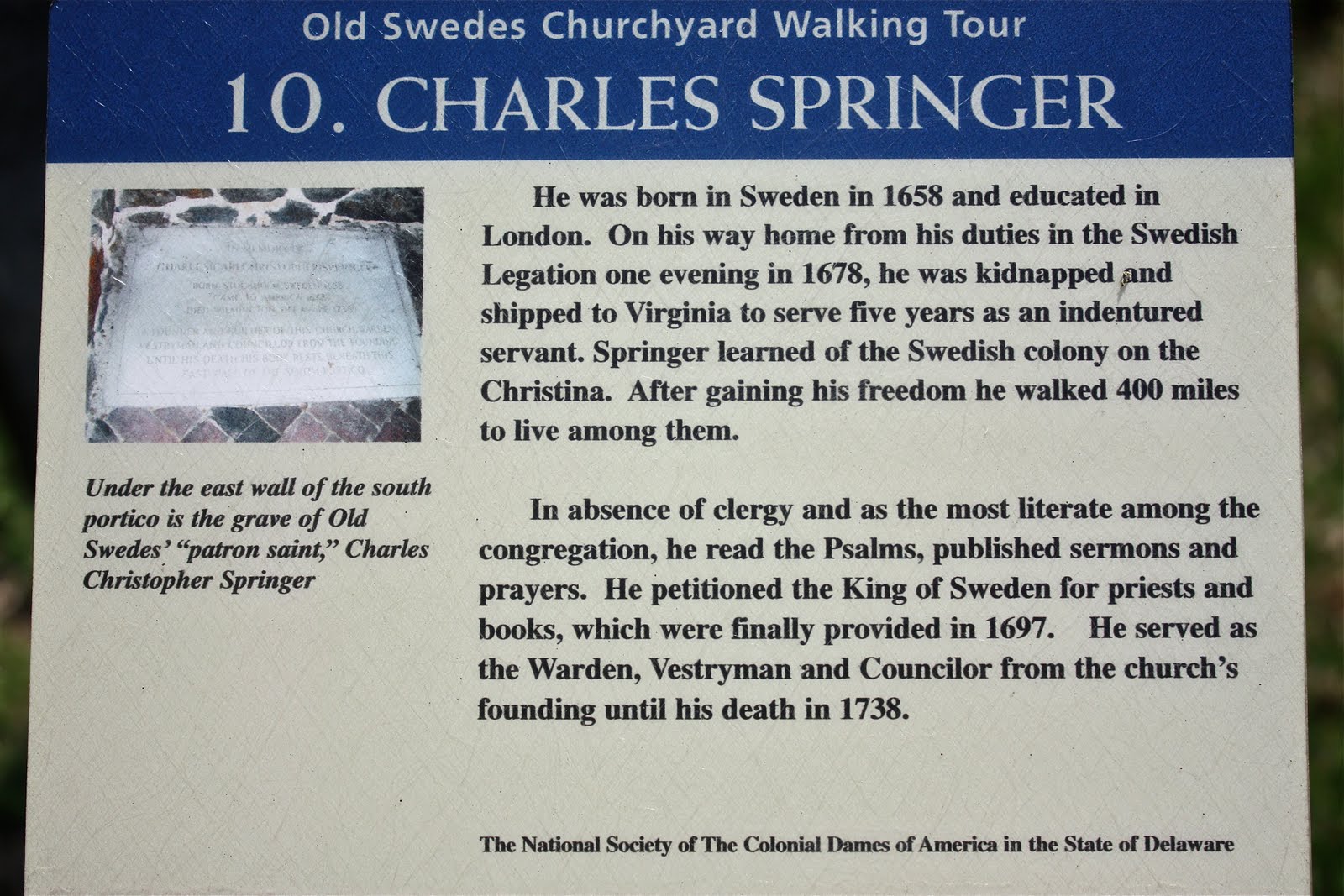
Carl married Annika Walraven in June of 1727.  Carl and Annika had no children together.1,2  Carl died on May 26, 1738 of a stroke while crossing the Delaware River in a boat.  He was on his way home from testifying the validity of a deed in court.1,2,3  Carl Springer was buried near the South wall of Holy Trinity.  In 1762, a portico was added and was built over Carl’s resting place.1,3  “He was buried in the church that he loved.”2

Holy Trinity (Old Swedes) Church, Wilmington, Delaware

Holy Trinity (Old Swedes) Church, Wilmington, Delaware

Historical Plaque, Holy Trinity Church, Wilmington, Delaware, The National Society of the Colonial Dames of America in the State of Delaware

Historical Plaque, Holy Trinity Church, Wilmington, Delaware, The National Society of the Colonial Dames of America in the State of Delaware

Photographs from smilla4blogs.


Sources

1.  Springer, Jessie Evelyn. Charles Springer of Cranehook-on-the-Delaware His Descendants and Allied Families. Edwardsville, IL: Publisher Not Identified, 1959. Print.

2.  Craig, Dr. Peter S. “Forefathers: Charles Springer and His Family.” Swedish Colonial News 1, No. 19 (Spring 1999): 2. Print.

3.  Montgomery, Elizabeth. Reminiscences of Wilmington: In Familiar Village Tales, Ancient and New. Philadelphia: T.K. Collins, Jr., 1851. Print.

4.  Vandervelde, Kate Annelia Cross. Cross-Howell, Glover-Stoddert and Related Families Records. Emporia, Kan.: K. Vandervelde, 1959. Print.